
Thanks to increasing internet access, online gambling has grown exponentially, providing a perfect medium for individuals to play their favorite casino-style games. The 21st Century exposed a frontier in European gambling: Eastern Europe.
Countries like Croatia, Bosnia-Herzegovina, Serbia, and Macedonia were leading the field with favorable licensing conditions and a population hungry to play online games. Soon, it was clear that a region that began with exchanging dinars in physical casinos was set to join the modern casino boom. Here’s how former Yugoslav states are navigating the modern online casino boom.
Historical Perspectives on Gambling in Yugoslavia
Gambling activities in Yugoslavia date to the days of the Ottoman Empire. The Turks, who didn’t have much faith in their business skills, used gambling as a means of increasing their income. Then, gamblers in the region converged around the shared currency of the dinar as bettors sought favorable outcomes that promoted their welfare.
At this time, gambling was seen as a way to promote economic growth and development. Then came 1962, when gambling became legalized in former Yugoslavia through an act called “The Law on Games of Chance.” The law introduced two types of games: classical games of chance and special games of chance. Soon, various jurisdictions in the region would establish their unique gambling laws to facilitate players’ experiences.
Transitioning from State-Centric Dinars to Digital Betting Platforms
Gambling in the Socialist Federal Republic of Yugoslavia in the early 1990s was predominantly a physical, regulated industry tied to brick-and-mortar venues and controlled by state policies. Soon, broader global shifts from cash-centric markets to digital ecosystems where entertainment and tech converge would impact the online casino space.
Today, with fast internet, mobile penetration, and digital payment systems, online review sites like https://pl.polskiesloty.com/kasyno-z-minimalnym-depozytem/ present a broad choice of casinos with minimal deposits, which are growing rapidly across the region. Next, we explore the former Yugoslavia states and the helpful regulatory policies that helped to anchor modern gambling activities.
Serbia
Online gambling in Serbia is officially legal and regulated under the Games of Chance Administration, a division of the Ministry of Finance. The platform contains licensing frameworks that allow both local and international operators to apply for permissions.
Online casinos and sports betting operate alongside brick-and-mortar venues, with a legal structure designed to ensure fair play and consumer protection. Today, Serbia’s market keeps refining its rules to balance control and growth — including minimum capital requirements for operators and ongoing regulatory updates that push the industry toward broader European standards.
Croatia
In Croatia, the Act on Games of Chance has tied online gambling licenses closely to traditional land-based concessions. Here, overall gambling taxes and regulatory costs are structured to create a secure environment for players. International operators often enter the country through partnerships with existing license holders. This model drives steady revenue that ensures strong oversight, even as online gaming becomes a primary mode of participation.
Slovenia
Slovenia represents one of the leading iGaming markets in the region, with clear regulatory frameworks and a higher GDP per capita driving strong player engagement. However, only entities already licensed for land-based casinos or lottery operations can offer online platforms — restricting competition while ensuring stability and stringent oversight.
Despite these constraints, the growth of internet penetration and mobile participation is helping more Slovenian players gravitate toward online gambling. Among other things, this country shows that demand is shaping even highly regulated markets.
Bosnia and Herzegovina
Bosnia and Herzegovina has a fragmented gambling sector due to its unique political structure. Each entity within the country, the Federation of Bosnia and Herzegovina and Republika Srpska, has its own rules, licensing requirements, and taxation policies for both land-based and online casino offerings. While unification remains a challenge, the overall trend toward increased digital participation is clear, driven by smartphone use and improved connectivity.
Montenegro
Montenegro has been quietly modernizing its gambling sector since legalizing online gambling in the 21st century. Compared to larger neighbors, the country hosts relaxed advertising and entry requirements.
While regulations keep evolving, the emphasis on modernization and European alignment positions Montenegro as an appealing jurisdiction for startups and specialized operators looking to tap into the region.
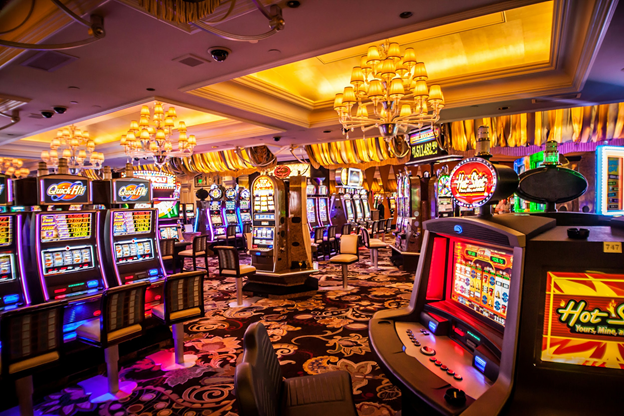
How Former Yugoslav States Leveraged Technology and Culture in Redefining the Future
Across the former Yugoslav states, several common threads are shaping the future of online casinos. These include:
- Mobile Adoption: Widespread smartphone use and improved broadband infrastructure have made online casino access easier than ever, expanding user bases beyond traditional gaming platforms.
- Live Dealer & Immersive Experiences: The region leveraged rising interest in live dealer games as more social gaming platforms mirror global iGaming trends, drawing players into virtual tables that feel closer to real-world experiences.
- Regulatory Evolution: Most markets balance between opening up digital sectors for economic growth and ensuring responsible gambling protections, including taxation, licensing, and anti-addiction safeguards.
Conclusion
Revenues from online betting and casino games in the former Yugoslavia region are now significant, as operators adapt to unique rules by offering a broader range of virtual gaming options to capture a growing market segment. This transition is due to various features, including regulatory evolution, cultural transformation, and technological transformation, as these Balkan countries adapt to global trends in remote gaming and mobile entertainment.
Perla Aroyo

Content Writer at ResumeService24 with more than five years of experience in the resume writing service industry. My primary specialization is English and Marketing, but I write on a great number of other topics. Website: ResumeService24.com
0 thoughts on “From Dinar to Digital: How Former Yugoslav States are Navigating the Modern Online Casino Boom”