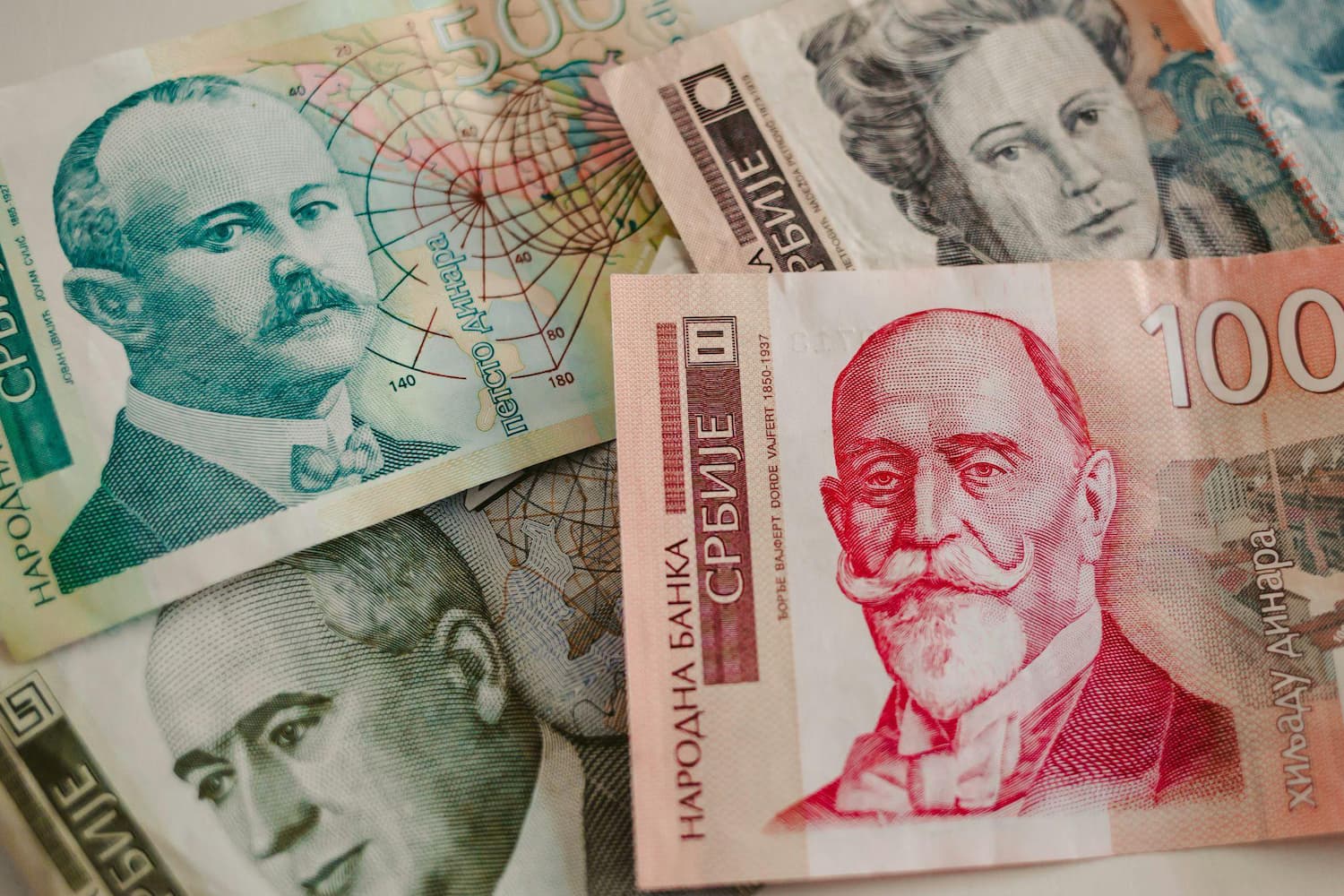
Payment systems in the Balkans have changed completely. When you look at the past three decades, the transformation is dramatic. In the 1990s, there was a period of hyperinflation. Currencies were unstable. People did not trust banks. Now there is a sophisticated digital infrastructure. In some areas, it rivals Western Europe. In others, it goes further.
Different countries faced different problems at different times. When Yugoslavia broke apart, everything had to be rebuilt. New currencies appeared, and new payment systems had to establish credibility from nothing. Some countries adopted the euro. Others kept local currencies with varying stability. Meanwhile, digital payment technology was evolving globally. This created opportunities that the Balkans could use.
Why Trust Dynamics Shape Payment Adoption Differently
What determines payment adoption more than anything else is not technology. It is not convenience. It is trust. When people trust institutions and infrastructure, they adopt new payment systems smoothly. When trust broke down, things took a different course. People maintain cash preferences longer. Or they jump directly to systems that bypass traditional banking entirely.
The Balkans experienced a collapse in institutional trust during the 1990s. This still influences payment behavior today. Hyperinflation wiped out savings. Banks failed. Currencies became worthless. People who lived through that remember. They maintain cash preferences. They remain skeptical of banks. Younger generations are different. They did not experience those failures directly. They do not carry the same skepticism.
To see how this works, look at online casinos. In markets with fully mature banking ecosystems, transactions are seamless. Users rely on integrated solutions, such as the blik casino payment system, which set the standard for speed and convenience.
In the Balkans, the industry continued to meet similar demands for accuracy, even when local banks were slower to adapt. Operators and players prioritized payment methods that offered autonomy and instant processing. Consequently, cryptocurrencies and digital wallets became essential. These modern tools succeeded because they provided a superior user experience, bypassing the friction often associated with legacy financial institutions.
The point is this: technology alone does not explain success. The institutional environment shaped adoption patterns, driving the market toward more agile and reliable digital solutions.
How Mobile Technology Enabled Infrastructure Leapfrogging
The Balkans had an advantage that Western Europe lacked: timing. When mobile payment technology matured globally, the region had not yet built a comprehensive traditional payment infrastructure. That created opportunities to skip expensive intermediate steps. They could implement mobile-first payment systems instead.
Think about what happened in Western Europe. Countries that developed payment infrastructure before mobile technology had to retrofit. They added mobile capabilities to existing card networks. Onto bank systems. Onto merchant infrastructure. That is expensive. That is slow. The Balkans could build mobile-optimized systems from scratch. They avoided legacy compatibility problems entirely.
This shows up in the numbers. Mobile wallet adoption rates exceed many Western European countries. This is true despite lower overall wealth levels; younger demographics adopted mobile payments particularly quickly. Mobile offered clear advantages over cash. And it did not require the intermediate step of building card payment habits first.
The merchant infrastructure evolved simultaneously. Small businesses that never invested in card payment terminals adopted mobile systems. These worked through smartphones they already owned. The infrastructure barriers that slowed mobile payment adoption elsewhere simply did not exist to the same degree.
The Remittance Corridor That Drove Innovation
Payment innovation in the region was substantially driven by remittances from diaspora workers in Western Europe. The volume of money flowing from Germany, Austria, Switzerland, and Scandinavia back to the Balkans was massive. This created huge demand for efficient cross-border payment solutions.
Traditional banking made remittances expensive and slow. Banks charged high fees. Exchange rate spreads were bad. Transfers took days to process, and that created an opportunity for alternative providers. Money transfer operators saw the gap, and then mobile payment solutions moved in. Fintech companies built infrastructure specifically for remittance corridors.
These remittance-focused payment systems expanded into domestic payments. Once the infrastructure was in place, people also used it locally. The services people used to receive money from relatives abroad became the services they used for local transactions. They were already familiar and trusted. Often more convenient than traditional banking.
0 thoughts on “From the Dinar to Digital Wallets: The Evolution of Payments in the Balkans”